
Last Lights Off the Black West
Henry James House's debut album, released digitally on August 28, 2026, available soon on CD and vinyl.
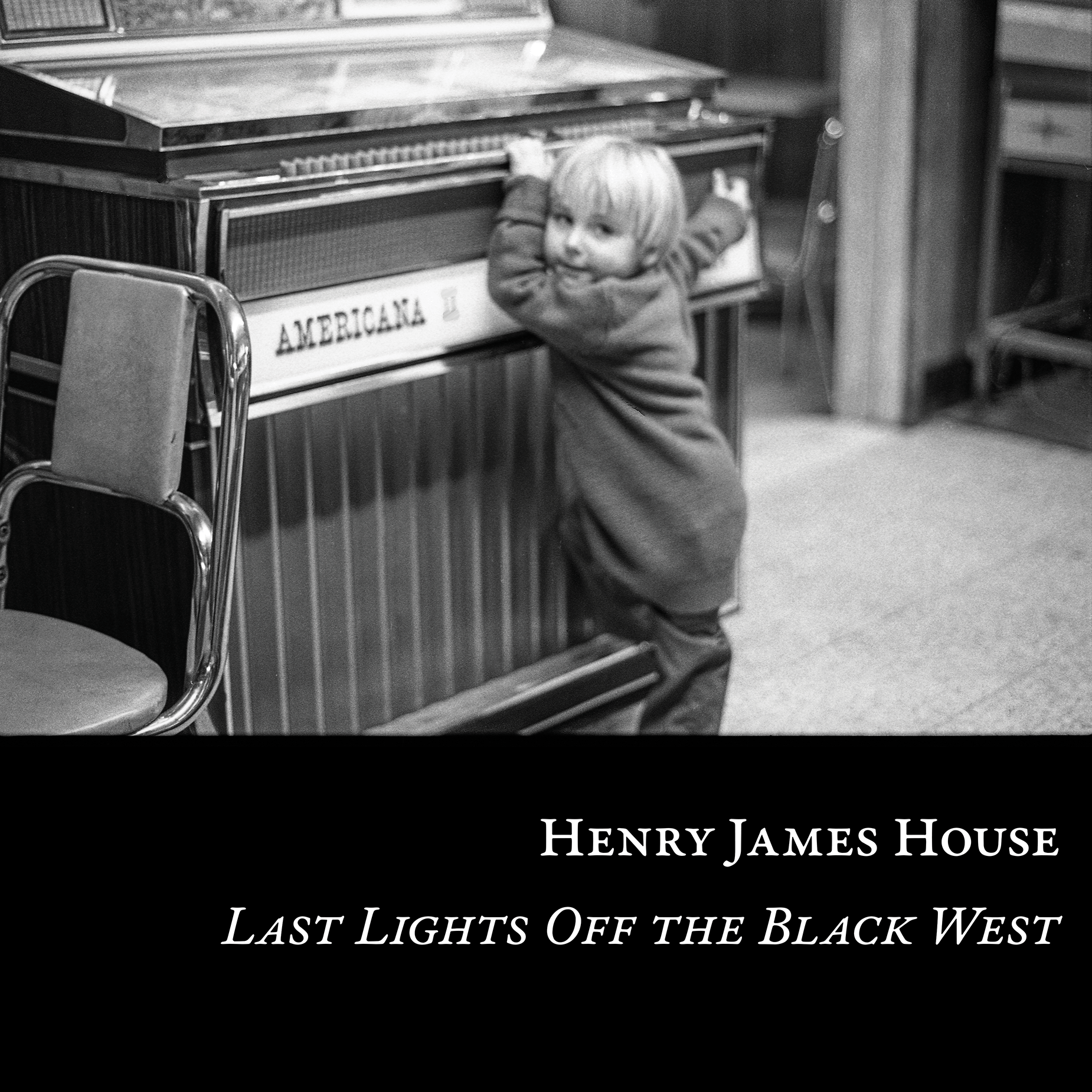
The album’s title comes from the sonnet “God’s Grandeur” by 19th-century Jesuit priest Gerard Manley Hopkins. I set this poem to music on the album, with electric slide guitar and a melody inspired by the Mississippi Sheiks’ “Sitting On Top Of the World”. The poem speaks to the darkness of humanity, a world brought to the brink by humanmade folly, but also asserts that “for all this, nature is never spent.”
Three of the songs on the album are covers with very unique arrangements: “Mother Earth” by Memphis Slim, “The Living End” by The Jesus and Mary Chain, and “Rock Me” by Rev. Thomas Dorsey, first popularized by Sister Rosetta Tharpe. The remaining seven songs are a combination of original and traditional, quite intermingled. There are traditional texts with new tunes, very old tunes with new texts, and contemporary influences, all interwoven with new fibers. While the writing of the album, the lyrics and musical structure, are very rooted in tradition—in folk music, in the blues, in classic country and rock & roll—the musical production is not built around a nostalgia for any previous musical era. I have therefore dubbed the genre of this album, somewhat cheekily, as post-Americana.
I think I'd somehow like to plant in people's minds the thought that I have often had, thinking about the incredible tradition of human song spanning millennia, that tradition is not just something that builds us up to the present day, but something that pulls us irresistibly into the future. That is how I have approached tradition in this body of work, and for me it is much more earnest that way than it could be if I was attempting any kind of "folk revivalist" or nostalgic musical style. Rather, these songs— learning them, learning their histories, and reinterpreting them in my own context—have been the most active stimulation for new ideas in my own mind, the best salve for loneliness, and the best daily psychological nourishment.
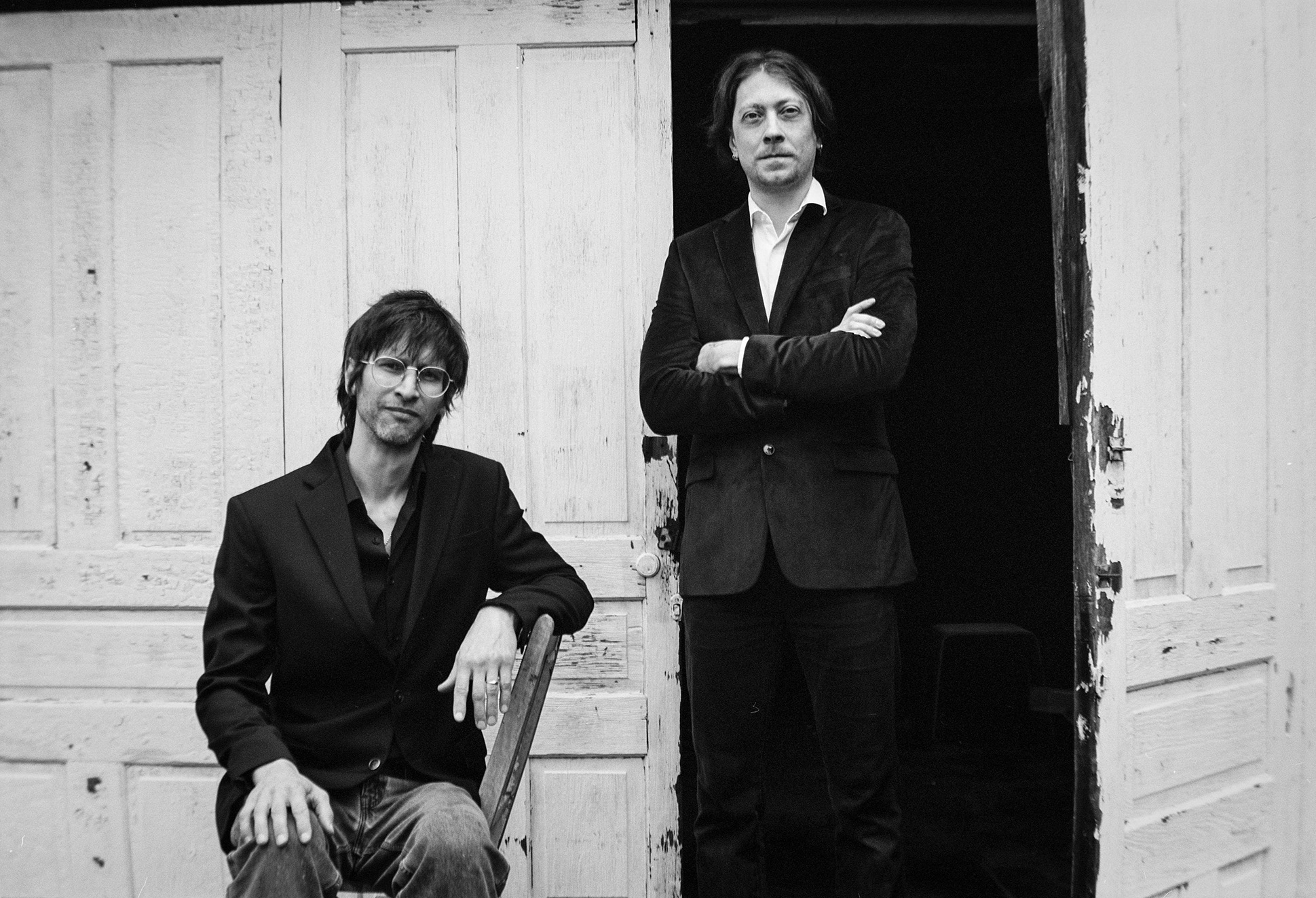
The final execution and the musicality of this album have a great deal to do with the input and influence of multi-instrumentalist and songwriter Jake Langknecht, my primary musical collaborator on the album. Jake has performed with me in Pop Empire as a drummer since 2014. He played all the drums and percussion as well as much of the guitar on the album.
The album also features the talents of Keegan Hanrahan (saxophone on several tracks) and Harris Wheeler (contributing vocals on the track “Young Henry”). It was mixed by Isaac Karns at his studio, the Marble Garden, and was mastered by TJ Lipple.
Ghettoblaster Magazine:
“I think of many of the songs on the album as old mountain folk songs, but remembered in a modern city-dweller’s dream,” Cincinnati songwriter Henry James House says of his forthcoming record, Last Lights Off the Black West. This is more than metaphor, as the songs on this record are a combination of new, very old, and reimagined. This, House believes, is what distinguishes the work as post-Americana. While it is firmly rooted in history, it is not a rehashing, but a next step. House’s statement is sure-footed and poetic, like the record itself, throughout which he seems at times to be channeling the ghost of Marc Bolan or J.J. Cale, sending folk and blues through a tunnel of fuzz and psychedelia.
Beehive Candy:
Last Lights Off The Black West is a fascinating exploration of a distinctly American mode of soul-searching.
V13 Media:
There is no need to be a historian of classic blues, folk, and Americana to enjoy this album. It’s accessible, balanced, and thoughtful. In an era of social turmoil and unease, House has composed an album that conscientiously bridges times, eras, and influences.